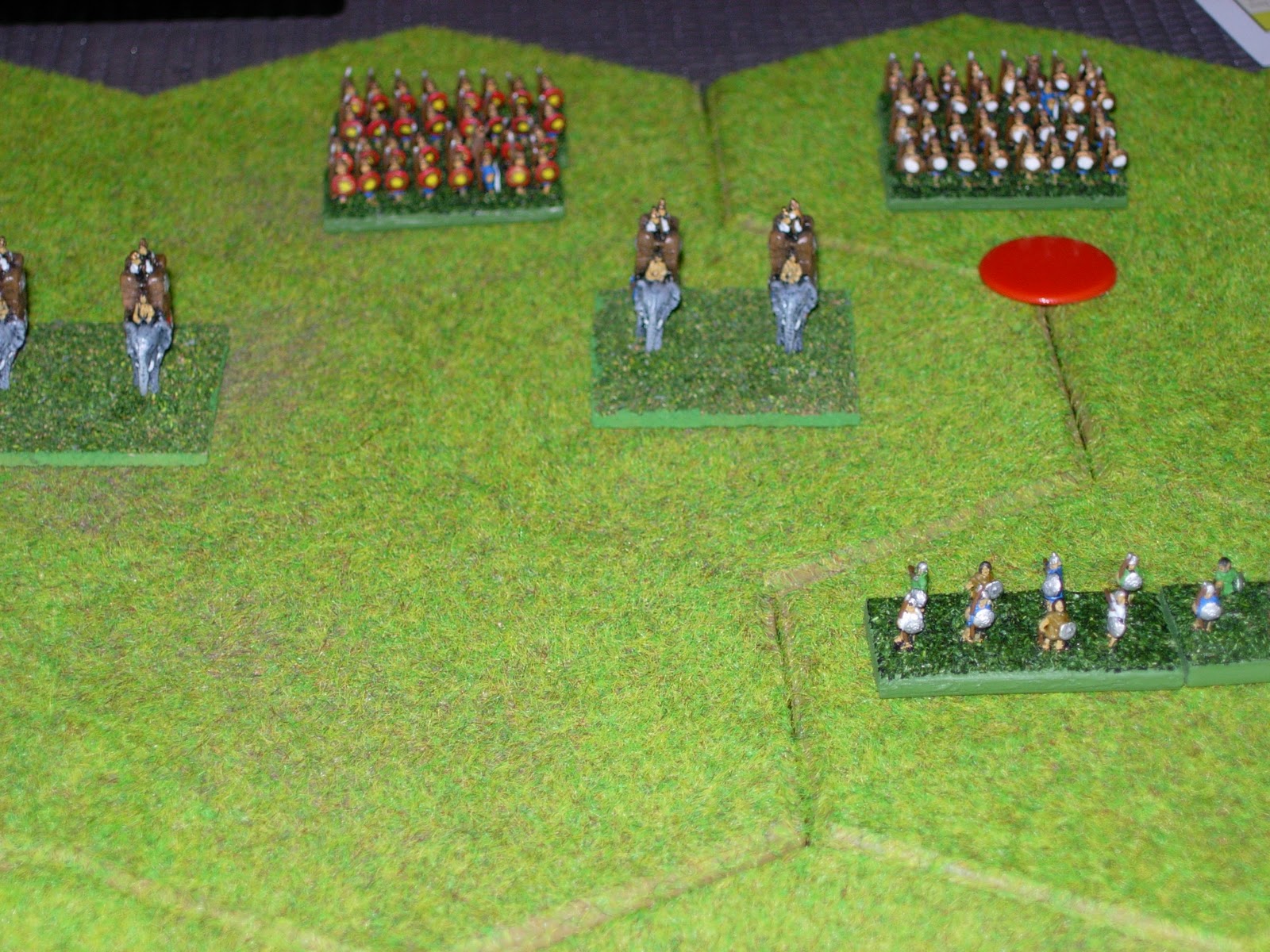
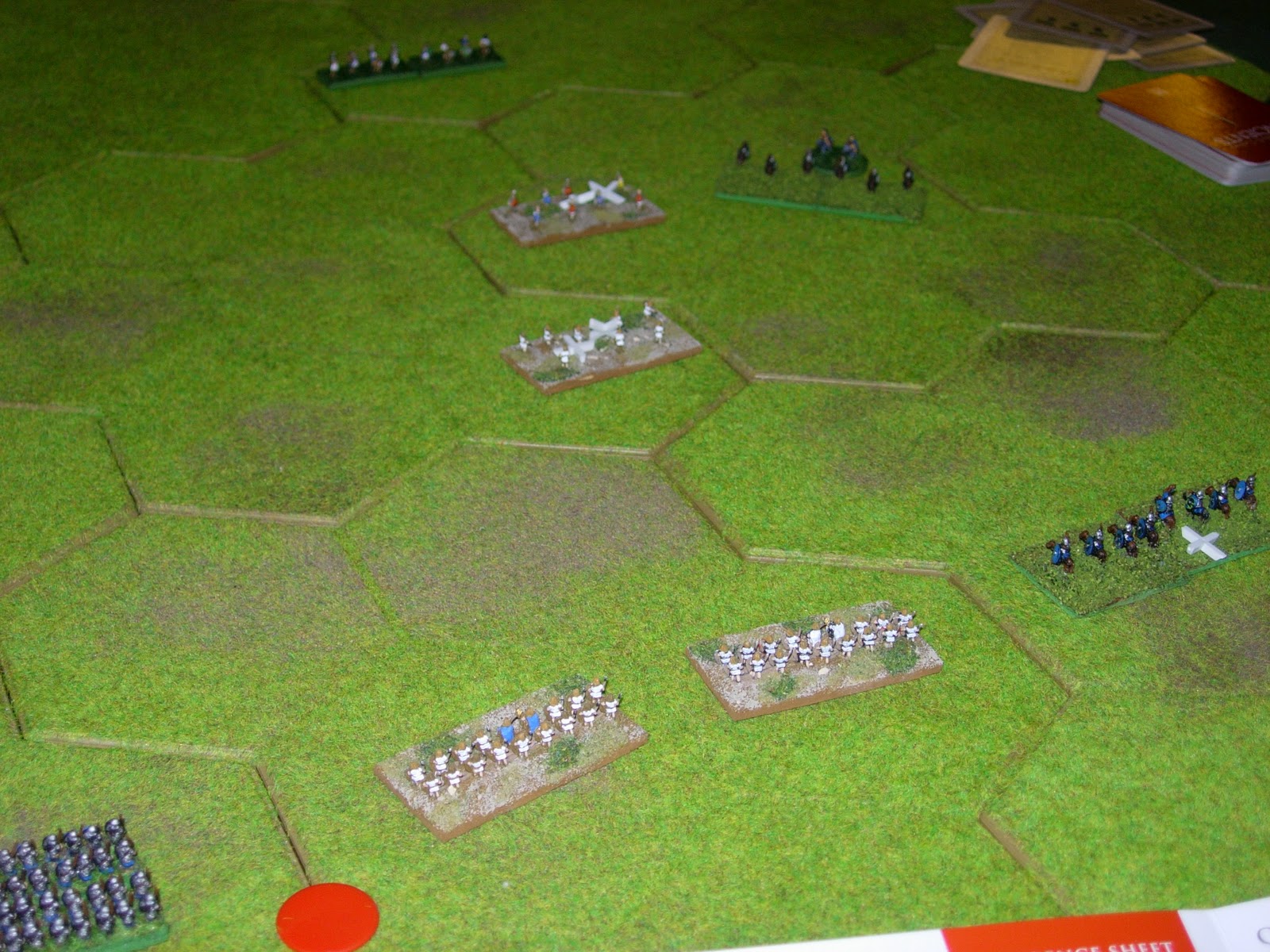
The Battle of Sardis took place in 395 BC during the Corinthian War, a conflict between Sparta and a coalition of Athens, Thebes, Corinth, and Argos, backed by the Achaemenid Empire of Persia. The battle saw a confrontation between Spartan forces led by Lysander and Persian troops commanded by Tissaphernes near the city of Sardis, the administrative center of Persian Asia Minor.
Background
Following the end of the Peloponnesian War (404 BC), Sparta emerged as the dominant Greek power but soon faced widespread opposition due to its aggressive policies in Greece and Asia Minor. Seeking to curtail Persian influence in Ionia, Lysander, the famed Spartan admiral who had orchestrated Athens’ defeat in 404 BC, sought to rally Greek cities against Persia.
By 395 BC, tensions escalated into open conflict, leading Sparta to launch a campaign in western Anatolia. Lysander, along with King Agesilaus II, led forces to counter Persian satraps, particularly Tissaphernes, who had been enforcing Persian authority in the region.
Battle
Lysander, commanding a Spartan detachment, advanced towards Sardis with the goal of striking a decisive blow against Tissaphernes. However, as he approached the city, Persian cavalry forces launched a sudden counterattack, overwhelming the Spartan troops. Lysander was killed in the engagement, leading to a disorderly retreat.
Shortly after Lysander’s death, King Pausanias of Sparta arrived with reinforcements, but he hesitated to engage the Persian forces decisively. This led to criticism from within Sparta, and Pausanias was later put on trial and exiled.
Aftermath
The death of Lysander at Sardis was a significant loss for Sparta. His absence weakened Spartan influence in Asia Minor and contributed to Agesilaus II’s eventual withdrawal from the Persian campaign. The battle demonstrated the effectiveness of Persian cavalry against Greek hoplites in open-field engagements.
Despite this setback, Sparta remained a dominant force in Greece, continuing its campaigns in the Corinthian War. However, Persian support for Sparta’s enemies, particularly Athens and Thebes, prolonged the conflict and ultimately helped check Spartan expansion.
Legacy
The Battle of Sardis (395 BC) is notable for being one of the few battles where a high-ranking Spartan leader was killed in action. It underscored the vulnerability of Greek land forces against Persian cavalry in Asia Minor and influenced the broader dynamics of the Corinthian War.
While the exact number of Spartan casualties remains unknown, the engagement was a moral and strategic blow to Sparta’s ambitions in the East.
See also
- Corinthian War
- Lysander
- Agesilaus II
- Tissaphernes
- Achaemenid Empire
References
Further reading
- Xenophon, Hellenica
- Plutarch, Life of Lysander
- Diodorus Siculus, Bibliotheca Historica